You’re in the middle of a renovation project. Paint roller in hand. Everything is going smoothly until a splatter, drip, or streak lands on your fabric blinds. Your first reaction might be to take the blinds down and throw them away. Don’t do that. The good news is that paint stains on fabric blinds can often be removed.
Whether you’re dealing with fresh latex paint from a recent room makeover or dried oil-based paint from an older project, the right cleaning method can make all the difference. In this guide by Floor Way, you’ll learn how to identify the type of paint on your blinds, choose the safest cleaning solution, and remove stains without damaging the fabric.
Best Ways to Remove Paint from Fabric Blinds Without Damage
Learn the best ways to remove paint from fabric blinds without causing damage. Discover simple cleaning methods for wet and dry paint. Use safe household products and effective techniques. Protect the fabric while restoring its appearance. Follow easy step-by-step tips for a spotless finish. Keep your blinds clean, fresh, and looking like new for longer.
Step 1: Identify the Type of Paint First
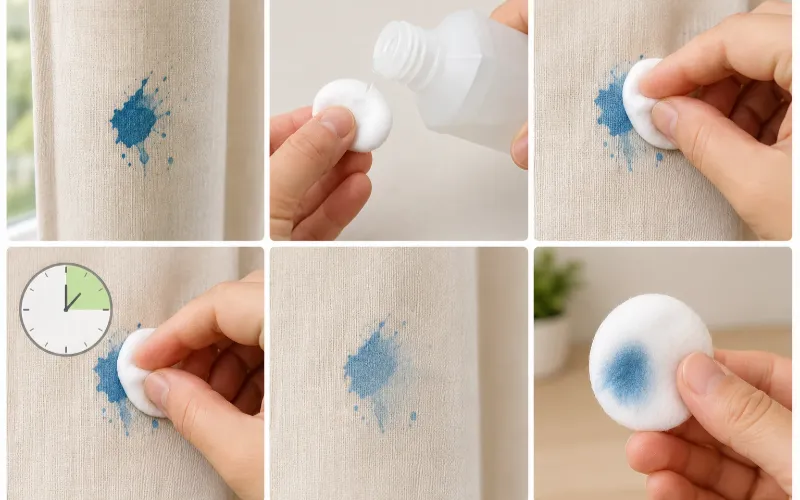
Before reaching for any cleaner, you need to know what kind of paint you’re dealing with. Using the wrong method can permanently set the stain or damage the fabric.
The Simple Rubbing Alcohol Test
Before cleaning the fabric roller blinds it’s better to conduct a test. This two-minute test tells you everything:
- Dampen a cotton ball with rubbing alcohol (isopropyl alcohol).
- Press it gently onto the paint stain for 30 seconds.
- Lift it and check the cotton ball.
| Result | Paint Type |
| Paint transfers onto the cotton | Water-based / Latex paint |
| Paint stays put, nothing transfers | Oil-based paint |
| Soft, pliable smear | Acrylic paint |
| Shiny, hard film | Enamel or gloss paint |
Why This Matters
- Water-based (latex/acrylic) paint responds well to warm soapy water and rubbing alcohol.
- Oil-based paint requires solvents like mineral spirits or turpentine.
- Using water on oil-based paint simply spreads the mess further into the fabric fibres.
Step 2: Prepare Your Work Area
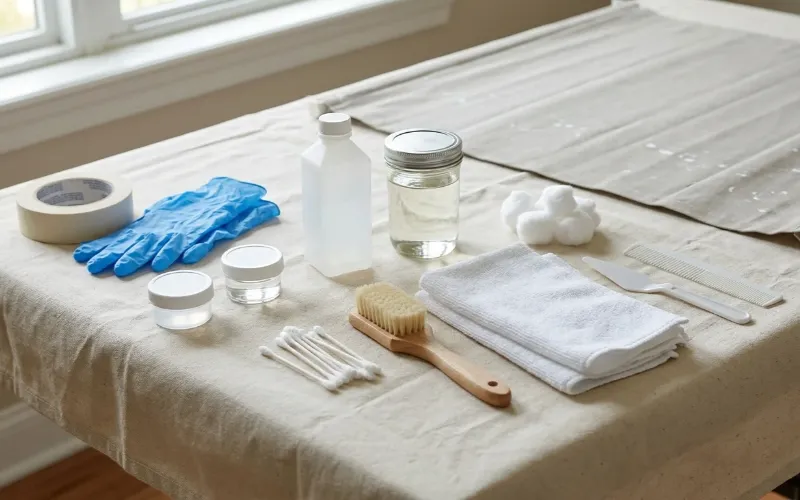
Rushing in without preparation is the most common mistake. A few minutes of prep saves hours of extra cleaning.
Tools & Supplies
- Plastic scraper or old credit card
- Soft-bristle brush or old toothbrush
- Clean white cloths or microfibre cloths
- Mild dish soap or laundry detergent
- Rubbing alcohol (isopropyl)
- Warm water in a bowl
- A towel to place underneath the blind
- Protective gloves
- Good ventilation (open a window)
Before you begin:
- Remove the blind from the window if possible and lay it flat on a clean surface. This gives you better control and prevents solutions from dripping on your floor or window frame.
- Place a dry towel beneath the stained area to absorb excess liquid and prevent bleed-through.
- Test any cleaner on a hidden corner of the blind first, especially on delicate fabrics like voile, silk, or chenille.
- Work in a well-lit space so you can see the stain clearly.
Method 1: Removing Wet Paint from Fabric Blinds
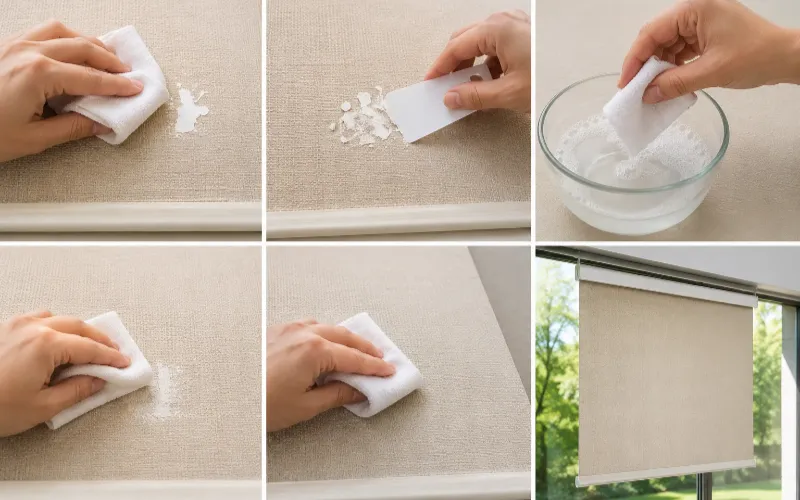
Speed is your biggest advantage here. Fresh paint has not yet bonded with the fabric fibres, making it far easier to lift.
For Wet Latex or Acrylic Paint
- Blot immediately: use a clean white cloth to gently blot (not rub) the wet paint. Work from the outer edge of the stain inward to avoid spreading.
- Scrape any excess: use a plastic scraper or the edge of a credit card to lift bulk paint off the surface. Always work toward the centre of the stain.
- Apply soapy water: mix a few drops of mild dish soap into warm water. Dampen a clean cloth and gently press it onto the stain.
- Blot again: lift the cloth and repeat with a fresh section until no more paint transfers.
- Rinse: use a clean, damp cloth to remove any soap residue.
- Air dry: hang the blind in a well-ventilated area or in sunlight. Do not use heat, as it can set any remaining traces of paint.
For Wet Oil-Based Paint
Oil-based paint requires a different approach from the very start.
- Do not use water, it will spread the paint.
- Blot with a dry cloth to remove as much excess as possible.
- Apply mineral spirits or turpentine, dampen a clean cloth with a small amount, and blot the stain gently.
- Follow up with dish soap once the paint has lifted, work a small amount of liquid detergent into the area, and rinse with warm water.
Method 2: Removing Dried Paint from Fabric Blinds
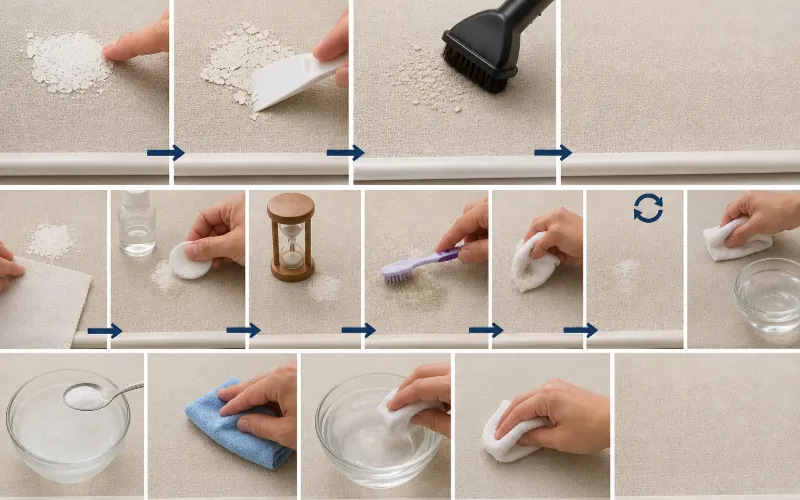
Dried paint is trickier, but far from impossible. The key is layering, starting gently and escalating only if needed.
Stage 1: Break the Top Layer
Before applying any liquid, you need to loosen and remove the hardened surface of the dried paint.
- Gently flex the blind (if it’s roller fabric) to crack the paint crust.
- Use a plastic scraper or dull knife to carefully lift flakes from the surface. Work slowly and do not press hard into the fabric.
- Vacuum or brush away loose flakes using a soft-bristle brush or a vacuum with a brush attachment.
Never use a metal scraper on fabric blinds. It will snag and tear fibers instantly.
Stage 2: Rubbing Alcohol Treatment
- Place a dry towel underneath the stained area.
- Apply rubbing alcohol (isopropyl alcohol) directly onto the dried stain using a cotton ball or cloth.
- Let it sit for 15–20 minutes. This is essential; the alcohol needs time to re-soften the dried paint.
- Gently scrub in small circular motions with a soft toothbrush.
- Blot away the lifted paint with a clean cloth.
- Repeat until the stain is gone or significantly lighter.
- Rinse with cool water and allow the air to dry.
Pro tip:
Alternate between rubbing alcohol and an alcohol-based hand sanitizer gel. Apply the sanitizer, let it sit for five minutes, scrub lightly, then reapply alcohol. This alternating technique is highly effective on stubborn dried latex paint.
Stage 3: Warm Soapy Water Rinse
After alcohol treatment, always follow up with warm, soapy water to lift any remaining pigment and residue:
- Mix a teaspoon of mild laundry detergent into a bowl of warm water.
- Press the solution into the stained area; do not rub vigorously.
- Rinse with clean warm water.
- Blot dry and allow it to air-dry completely.
Method 3: Removing Dried Oil-Based Paint from Fabric Blinds
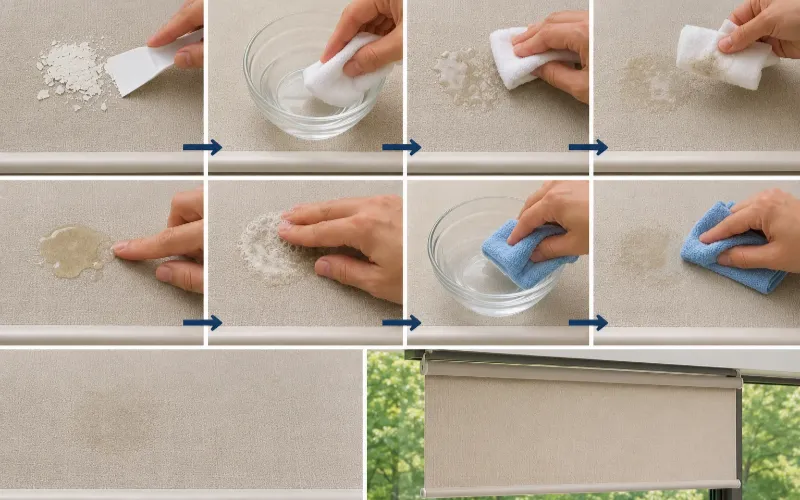
Oil-based paint requires stronger solvents, and you need to handle these carefully.
Step-by-Step Process
- Scrape off the top layer using a plastic scraper as described above.
- Apply mineral spirits, dampen a clean white cloth with mineral spirits (white spirit), and blot the stain gently. Do not pour it directly onto the fabric.
- Allow 10 minutes of dwell time.
- Blot with a fresh cloth you should see the paint beginning to transfer.
- Apply liquid dish soap to the area while the solvent is still wet, and work it into the fibres with your fingertips.
- Rinse thoroughly with warm water.
- Repeat if necessary. Oil-based paint rarely comes out in a single pass.
- Air dry in a ventilated area, never tumble dry or use a hairdryer.
Note on acetone:
Acetone (nail polish remover) can also break down oil-based paint and is effective on fresh and dried stains. However, test it on a hidden spot first, as it may discolor certain synthetic fabrics like polyester or nylon.
Method 4: Commercial Stain Removers for Stubborn Paint
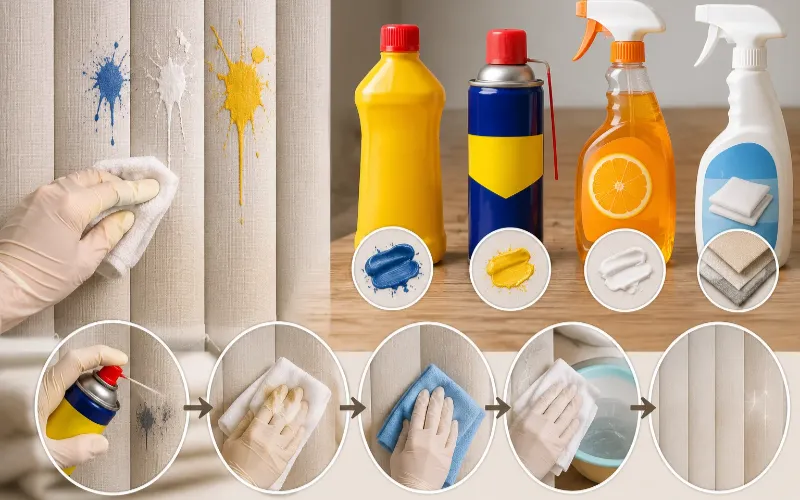
When home remedies aren’t quite cutting through a tough or large paint stain, commercial stain removers are your next step.
Top Products That Work on Fabric Blinds
| Product | Best For | Notes |
| Goof Off | Dried latex and acrylic paint | Highly effective; test on the hidden area first |
| WD-40 | Oil-based and dried paint | Apply, let sit, wipe, then clean with soap |
| Citrus-based cleaners | Water-based and acrylic paint | Gentle, fabric-safe, low risk of discoloration |
| Fabric paint remover sprays | All paint types | Designed specifically for textiles |
How to use:
- Apply a small amount to the stain.
- Let it sit for the time stated on the product label (usually 3–10 minutes).
- Work it into the fabric gently with a soft brush.
- Blot and rinse with warm water.
- Repeat if necessary.
Method 5: The Vinegar and Dish Soap Technique
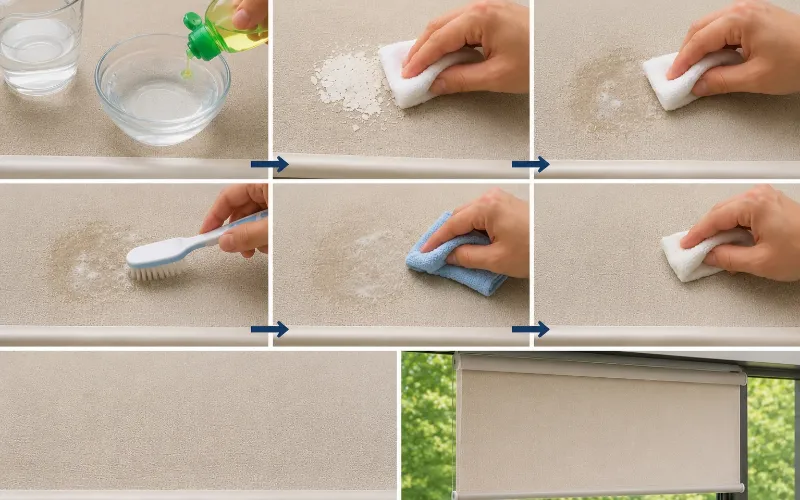
For those who prefer a chemical-free approach, white vinegar combined with dish soap can work surprisingly well on fresh or lightly dried water-based paint.
- Mix equal parts white vinegar and warm water.
- Add a few drops of liquid dish soap.
- Apply to the stain with a cloth and allow to sit for 10 minutes.
- Gently work the solution into the fabric using a soft brush.
- Rinse with cool water and blot dry.
- Repeat for stubborn spots.
This method works best on latex or water-based paint and is ideal for delicate fabrics that might react poorly to alcohol.
Best Fabric Blinds Cleaning Techniques Based on Fabric Composition
Not all fabric blinds are created equal. The fabric composition significantly affects how you should clean it.
| Fabric Type | Characteristics | Recommended Approach |
| Polyester/roller fabric | Durable, less absorbent | Rubbing alcohol, commercial removers |
| Cotton/linen | Absorbent, sturdy | Warm soapy water, vinegar method |
| Voile / sheer fabric | Very delicate, thin | Blot only, no scrubbing; professional clean recommended |
| Chenille | Textured, delicate loops | Minimal moisture, no rubbing; spot-treat only |
| Silk | Highly delicate | Do not attempt DIY; take to a professional |
| Blackout fabric | Coated layers | Test first; excess moisture may damage the coating |
General rule:
The more delicate the fabric, the gentler your approach should be, and the more seriously you should consider professional cleaning.
Cases Where Professional Cleaning Makes Sense
Some situations call for expert help. Consider professional blind cleaning if:
- The paint is oil-based and has fully dried into the delicate fabric
- The stain is very large and covers a significant portion of the blind
- Your blinds are made of silk, premium linen, or expensive fabric
- DIY attempts have already lightened or distorted the color of the fabric
- The fabric is tearing or pilling during cleaning attempts
Professional cleaners have access to industrial-grade solvents and ultrasonic cleaning equipment that can often achieve results simply not possible at home. In some cases, particularly with high-quality bespoke blinds, the cost of professional cleaning is far less than the cost of replacement.
How to Prevent Paint from Getting on Your Blinds in the Future
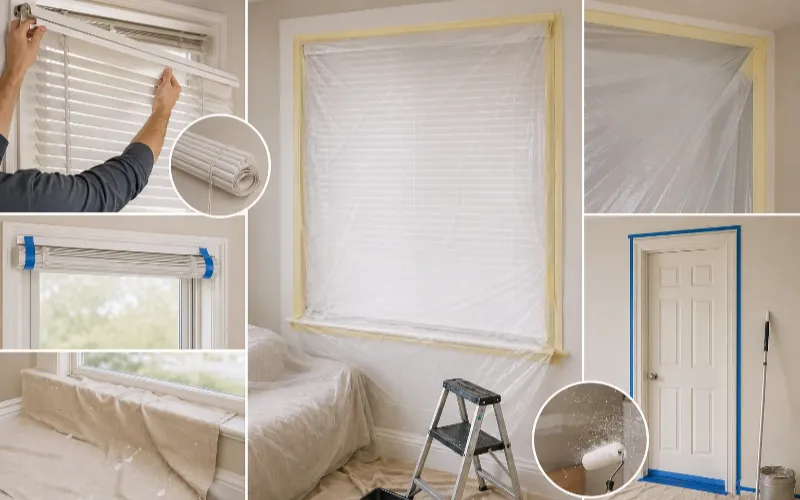
Prevention is always easier than the cure. Here’s how to protect your blinds the next time you decorate:
- Take your blinds down before starting any painting project. It takes five minutes and saves hours of cleaning.
- Roll them up fully if they can’t be removed, and secure the roll with tape.
- Use drop cloths and drape them over window frames, sills, and any blinds left in place.
- Wrap in plastic sheeting and seal with masking tape for full protection.
- Close doors to rooms being painted to stop airborne paint mist from settling on blinds in adjacent rooms.
Paint Removal Techniques: Wet vs. Dried Paint
| Paint Type | Wet Paint | Dried Paint |
| Latex / Water-based | Warm soapy water + blot | Rubbing alcohol (20 mins) , scrub, rinse |
| Acrylic | Blot + warm water + dish soap | Rubbing alcohol or acetone, rinse |
| Oil-based | Mineral spirits → dish soap | Mineral spirits (10 mins), dish soap, rinse |
| Unknown | Blot dry, then try the rubbing alcohol test | Scrape, alcohol test, choose method |
Conclusion
A paint stain on your fabric blinds is not a death sentence for your window coverings. With the right technique, the right cleaner, and a little patience, you can remove paint from fabric blinds without causing permanent damage and without spending money on replacements.
Frequently Asked Questions (FAQs)
1. Can you remove dried paint from fabric blinds?
Yes, dried paint can be removed from fabric blinds, though it requires more effort than fresh paint. Start by gently scraping away the top layer with a plastic scraper, then apply rubbing alcohol and let it sit for 15–20 minutes before scrubbing lightly. For oil-based paint, use mineral spirits instead. Repeat the process as needed.
2. What is the best way to get paint off fabric blinds without damaging them?
The safest method is to blot wet paint immediately with a clean cloth, then treat it with warm soapy water. For dried paint, use rubbing alcohol on latex or acrylic paint, and mineral spirits on oil-based paint. Always test your chosen cleaner on a hidden area of the blind first, and blot rather than rub to avoid fiber damage.
3. Does rubbing alcohol remove paint from blinds?
Yes. Rubbing alcohol (isopropyl alcohol) is one of the most effective solutions for removing dried latex and acrylic paint from fabric blinds. Apply it directly to the stain, allow 15–20 minutes of dwell time, then gently scrub and rinse. It may require multiple applications for stubborn stains.
4. How do I remove oil-based paint from fabric blinds?
Oil-based paint requires a solvent; water alone will not work. Apply mineral spirits or turpentine to the stained area using a clean cloth and allow it to sit for 10 minutes. Blot the paint away, then follow up with liquid dish soap and warm water to clean the solvent residue. Rinse thoroughly and air dry.
5. Can I use acetone to remove paint from fabric blinds?
Acetone can effectively dissolve oil-based and dried acrylic paints, but it carries the risk of discoloring or damaging synthetic fabrics like polyester. Always test acetone on an inconspicuous area of the blind before applying it to the visible stain. Use sparingly and ventilate the room well.
6. Will paint thinner damage my fabric blinds?
Paint thinner can damage or discolor fabric blinds if used carelessly or in large amounts. It is most appropriate for oil-based paint on sturdier fabrics. Always apply with a cloth rather than pouring it directly on the fabric, test on a hidden spot first, and rinse thoroughly with warm soapy water afterward.
7. How do I get paint off roller blinds specifically?
To remove paint from roller blinds, unroll the blind fully and lay it flat. Identify the paint type using the rubbing alcohol test, then apply the appropriate treatment: soapy water for fresh water-based paint, or rubbing alcohol for dried latex. Gently flex the blind fabric to crack dried paint before scraping, and always let the blind air dry completely before re-rolling.
8. What should I do if the paint stain won’t come out?
If the stain persists after multiple attempts, try a commercial stain remover like Goof Off or a citrus-based fabric cleaner. If those fail, consider contacting a professional blind cleaning service, especially if the blinds are made from delicate or expensive fabrics. In some cases, replacing the fabric panel is more cost-effective than continued cleaning attempts.
9. Is it safe to wash fabric blinds in the washing machine to remove paint?
Most fabric blinds, particularly roller blinds with stiffening treatments or coatings, are not suitable for machine washing, as they can warp, shrink, or damage the fabric. Always check the manufacturer’s care label. Spot cleaning is the recommended approach for paint stains on fabric blinds.
10. How do I protect my blinds during painting and decorating?
The best protection is to remove your blinds entirely before painting. If that’s not possible, roll them up fully and wrap them in plastic sheeting secured with masking tape. Use drop cloths to cover window frames and sills, and close doors between rooms to prevent airborne paint mist from settling on your window coverings.