Squeaky floors mean noisy floors due to the movements of planks or boards. Annoying sounds of squeaky floors can affect the comfort of your home. Many factors can make your floors squeaky over time. One of the main reasons is components rubbing together and creating sounds. Besides that, your flooring boards can move up and down due to loosening of nails and screws. Squeaks can be minor due to loose boards or serious due to sagging or bouncing floors.
You can also observe this issue due to poor-quality floors or incorrect installation. To prevent this, always choose the top flooring company in Dubai for your flooring services. However, replacing squeaky floors is not the only solution; you can fix them in many ways. In this guide, we provide easy and effective ways to eliminate floor noise permanently.
Causes Behind The Squeaky Floors
Before moving to the solutions, first identify the real cause behind your squeaky floors. This helps you to determine the ideal solution. These are some common reasons behind squeaky floors.
1. Friction From Movement
The most common cause is friction between surfaces. When you hear squeaks throughout the room rather than in a single spot, it can be due to rubbing between boards or joists. This can happen due to the boards being loose-fitting or natural changes over time, especially in wooden floors.
2. Loose Subfloor
When you hear a sound coming from a specific spot on your floor, the reason may be the loosening of subfloor boards. This mainly happens when your floorboards shift their position due to a weakened connection between subfloors and joints. Even a minor movement of planks leads to a squeak.
3. Humidity Changes
With wooden floors, you may hear squeaking due to seasonal wood expansion. Wood generally expands in humid conditions and contracts in dry weather. Due to the contraction of boards, they move and rub with each other, creating squeaks.
4. Poor Installation
Improper flooring installation can also result in squeaky surfaces. Uneven subfloor preparation or unnecessary gaps between planks create squeaky movements. Squeaky floors also occur when your installers do not use the proper adhesives during floor fitting. Sometimes, installers do not tighten the screws and nails properly, leading to movement of floors over time.
5. Age and Wear
Even high-quality flooring in Dubai can lose its shape after years of constant use. With age, materials weaken, and regular foot traffic gradually loosens parts.
Tools You Need For Fixing Squeaky Floors
There are some necessary tools you may need to fix squeaky floors. Collect the right tools for your floor type and the leading cause of squeaky floors. Here are some of the standard instruments.
- Drill and Drill Bit
- Hammer and Nail Punch
- Stud Finder
- Tape Measure
- Wood Shims
- Adhesives
- Wood Glue
- Squeak Stop Screws
- Powders ( Talcum and Baking Soda)
- Pry Bar
- Safety gear
Fixing Squeaky Floors from Above
When you do not have access from the underside of the flooring, then fix your squeaky floors from above. Based on the causes, choose the most suitable solution from the given methods.
1. Lubricating Floorboards
This is the easiest way to get rid of noisy floors. This solution is effective when floors get squeaky due to dry joints and rubbing boards. In this method, select any suitable lubricant from powder graphite, talcum powder, or cornstarch.
Dust the powder into the gaps between the boards where squeaks occur. Using a delicate brush or cloth, work the powder deep into cracks. Then distribute the powder properly by walking over the area. This will help powder to spread and reduce friction. At last, wipe away any excess powder to prevent slipping.
2. Tightening Loose Boards
Tightening loose boards using trim screws is the best solution for isolated squeaks and fixing vertical board movement. When a floorboard lifts slightly when stepped on, then go with this method. The screws pull the board firmly against the subfloor, stopping the movement that causes squeaks.
Trim screw heads are designed to sit just below the surface, so the repair stays discreet and doesn’t affect the floor’s look. This method restores the floor’s original stability while quietly eliminating the noise.
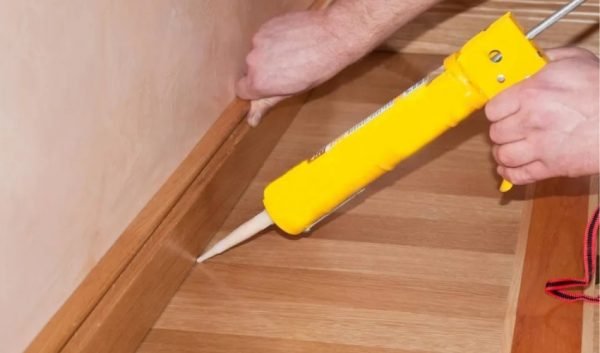
3. Apply Construction Adhesives to Reduce Board Friction
When noise comes from the floors due to rubbing against each other, then the application of construction adhesives can be helpful. Apply glue between the boards and the subfloor. These adhesives hold the boards firmly and eliminate the movement and friction that cause squeaks.
This solution is perfect when floorboards feel solid underfoot but still make noise. This method works well for areas where screws or nails aren’t practical. This method makes squeaky floors stable while keeping the surface smooth and clean.
Fixing Squeaky Floors from Below
You can fix squeaky floors from underneath when you have access to the subfloor. Here is the step-by-step method to fix squeaky floors from below. It is a more effective and durable solution.
1. Locate the Squeak
Ask someone to walk on the floor for a while. At the same time, you listen to the noise and watch the movements between the floor joist and subfloor carefully. This helps you to identify the exact place where the problem occurs.
2. Identify the Joist
Then find the solid joist underneath the squeaky spot. For this purpose, use a stud finder or tap the floors with a mallet. Above the joist, the sound will get dull.
3. Mark the Location and Drill Pilot Holes
After finding joists, mark their positions with a pencil or chalkline. Then drill the pilot holes through the floorboards and into the joist below. This prevents splitting the floorboards, especially hardwood floors.
4. Drive the Screws
Now, drive the screw through the floorboards and into the joist firmly. Make sure the screw head is countersunk slightly below the surface. Do this step carefully; a slight overdriving of the screw can crack your floor. For optimal results, use two screws per floorboard at each squeaky-joist intersection. This stops the movement of floorboards and eliminates the squeaks.
5. Use Shims and Adhesives
If there is a visible gap between the subfloor and joist, then gently tap a wooden shim into the gap. Before tapping, must apply construction adhesives to it. You can also apply adhesives to a small wood block and then press it against the underside of the subfloor. Then screw it into the joist and let the glue dry properly.
Identify the Type of Floors
Before using any fixing method, first understand your flooring type and requirements. Different flooring materials and installation methods lead to various causes for squeaks. So always choose the right fixing method that best suits your flooring. Otherwise, you can end up damaging your floors.
For example, in wooden floors, you have access to the floors from above. Similarly, for some floors like laminate and carpet, you have under-surface access, so you have to go with an appropriate fixing method. Here are some popular floor types and their fixes:
1. Wooden Floors
Hardwood and engineered wood floors often squeak because boards rub together, nails loosen, or humidity causes movement. The best solution is to use powdered graphite or talcum powder to lubricate the cracks. You can also secure the boards with screws, shims, or glue from below.
2. Carpeted Floors
In carpeted floors, squeaks usually come from plywood moving on joists. The best fixes involve specialised kits that drive screws through carpet into joists.
3. Plywood Floors
Particleboard or plywood floors squeak mainly due to loose nails that allow boards to move. Driving screws into the joists or using glue-assisted methods are the most effective solutions.
4. Laminate Floors
Laminate floors mainly squeak due to slight shifts in the underlayment. Adding extra underlayment or levelling the subfloor is the best solution.
When to Call A Professional
When you try all DIY solutions, and your floors still produce squeaks, then you should call a flooring professional. Remember, DIY solutions only work on minor issues, but if you observe major problems, then call a professional for help straightaway. These are some of the warning signs indicating a need to call a professional.
- You see significant gaps between the boards or cracks in the subfloor below.
- Squeaks occur in almost every corner of homes, indicating a major problem like incorrect installation or old flooring.
- You observe water damage, rot on joists, or signs of termites.
- Too much bounce in the surface, and the floors feel unstable or unsafe to use.
- You cannot find out the exact reason behind squeaky floors.
10 Tips to Prevent Squeaky Floors
Preventing squeaky floors is easier than fixing them. These are some expert-recommended tips to prevent squeaky floors. These precautions save your time, effort, and repair costs.
- Keep the humidity of your place between 30% and 50%.
- Use a humidifier in dry conditions and a dehumidifier or AC in humid conditions.
- Clean spills and leaks immediately to prevent floors from warping.
- During installation, use screws instead of nails for a stronger hold.
- Apply construction adhesive between the subfloor and joists to prevent gaps.
- Make sure the subfloor is clean, dry, level, and leave expansion gaps.
- Choose stable flooring like engineered wood and noise-reducing underlayment.
- Check floors annually and tighten any loose boards, screws, or nails.
- Use area rugs in busy spots to reduce friction.
- Place protective pads under furniture legs to protect the floor.
Final Thoughts
Squeaky floors can seem like a minor issue at first, but they can lead to major problems if left untreated. Ignoring squeaky floors can result in water damage, loose boards, or structural issues. In this detailed guide, we discussed simple methods for determining the causes of squeaks and successfully resolving them. By taking care of them early on, you can maintain your floors’ stability, safety, and attractiveness.