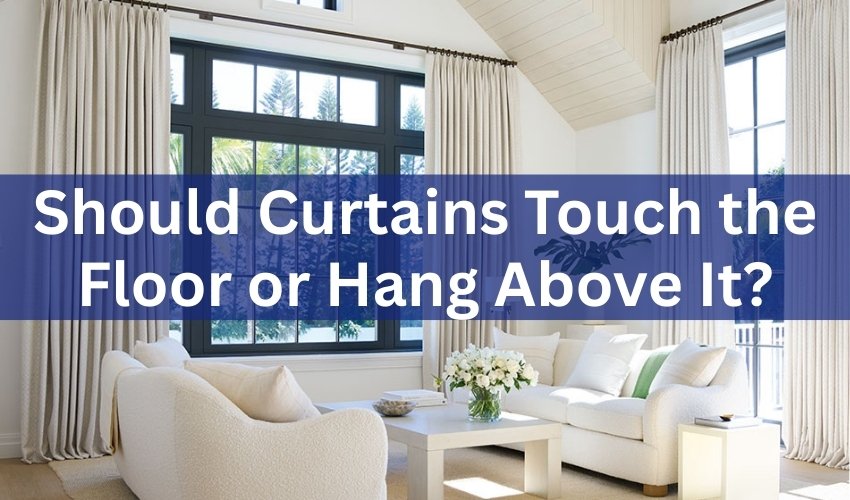
Curtains play a crucial role in the overall appearance of your home. They not only beautify your windows but also make them functional. Getting the perfect window drapes is easy, but the main concern is how to hang them. The way you install your drapes influences their functionality and elegance.
However, you should also take care of the curtain length; should the curtains touch the flooring Dubai or hang over it? In this guide, we will provide you with the necessary information about the curtain length and hanging style.
You will also learn why length is important, what factors affect curtain length, what designers recommend, and how to select the perfect length for every room in your home.
Why Is Curtain Length Important?
Curtains are not just a window covering; they help define your room style, add softness, and structure. Selecting the right length affects the overall appearance and durability of your space.
Floor-touching curtains also make your windows look larger and more captivating. Instead of creating a floor and window gap, long curtains add a sleek and streamlined look. This style works well in the living rooms where you want to add style and visual appeal.
Many home designers are opting for floor-touching drapes. Unlike the short curtains, long curtains create a refined and sleek appearance. Additionally, this streamlined window appearance also adds luxury, making your SPC flooring more appealing and attractive.
Factors Affecting the Length of Curtains
Choosing the right curtain length is not only necessary for a presentable look but also for the functionality of your space. Curtains can improve the beauty and comfort of your space, creating a peaceful atmosphere. Ignoring the length can make even expensive curtains look awkward.
-
Room Function
Before purchasing the window curtains, consider your room’s functionality. For formal living or dining areas, you can opt for the longer window drapes to enhance them. On the other hand, shorter curtains would be a great choice for your dining room.
Consider other design elements in the room, such as the height of the ceiling and the type of flooring. Your curtain length should complement these elements.
For instance, a high ceiling creates a sense of brilliance in your room. To complement its elegance, you could go for floor-length curtains that extend all the way to the floor.
-
WindowType
The type and size of your window can impact your curtain choice. Tall windows may benefit from longer curtains, while small windows may look better with shorter ones.
-
Room traffic
In high traffic areas where people frequently walk in front of the windows, shorter curtains might be more practical to avoid them getting in the way.
-
Furniture Placement
Furniture near the window affects curtain length choices. If you have furniture placed directly in front of the window, full-length curtains may bunch awkwardly behind it. In such cases, curtains slightly above the hardwood flooring can prevent fabric from getting stuck or wrinkled.
Designers-Approved Length Styles
Interior designers recommend specific lengths for window curtains that can enhance the elegance of your space. These styles are popular because they suit different needs, room types, and design preferences. Below are the most commonly designer-approved curtain length styles, along with their alternative names.
1. The Hover
The hover style, also known as Floating length, refers to a style where curtains hang slightly above the floor, usually about half an inch to one inch. The fabric appears to “float” just above the ground without touching it.
This style is clean, practical, and easy to maintain. Designers often recommend the hover style for busy homes, modern interiors, and spaces that require regular cleaning. It protects dust buildup and keeps curtains from getting damaged while still looking neat and intentional.
2. The Kiss
The kiss style, also known as just-touching length, refers to the hanging style in which curtains gently touch the floor without huddling or dragging. The fabric lightly kisses the LVT Flooring, creating a smooth and tailored appearance.
This is the most popular and widely recommended curtain length by designers. It works well in living rooms, bedrooms, and dining areas, making them look elegant and balanced. The kiss style offers a perfect combination of beauty and practicality.
3. The Puddle
The puddle style, also known as draped length curtains, features curtains that are intentionally longer than the floor, allowing extra fabric to gather at the bottom. This creates a soft and luxurious look.
Designers often use this style in formal rooms or classic interiors where elegance is the main focus. Visually, puddled curtains require more maintenance, best suited for low-traffic areas. It is also known as draped length curtains.
How to Select the Right Style for Your Room
Selecting the right curtain style for your room is an important part of interior design. Curtains do more than cover windows; they affect the mood, comfort, and overall appearance of a space. The right style can make a room feel brighter, warmer, and more elegant. To make the best choice, it is important to think about your room’s purpose, size, lighting, and design theme.
-
Consider the Room
The first step is choosing the right curtain style and understanding the use of your room. For instance, formal spaces like living rooms and dining rooms usually look best with elegant, floor-length curtains made from structured fabrics. These styles add a polished and refined feel. In contrast, for casual spaces such as family rooms, children’s bedrooms, or home offices, simple curtain styles would be the best options.
-
Match the Curtain Style with the Interior Design
Home interior design should complement your selected curtains. Modern and minimalist interiors look best with clean, simple curtains in solid colours and smooth fabrics. Traditional or classic rooms can handle more decorative styles, such as pleated curtains or layered designs. For rustic or classy interiors, natural fabrics like linen or cotton work well and add warmth to the space.
-
Natural Light and Privacy Needs
Light control is another important factor when selecting curtains style. Rooms that receive sunlight may need thicker or lined curtains to block glare or heat. Lightweight curtains are ideal for spaces with soft light while maintaining a sense of openness. Bedrooms usually require heavier curtains for privacy and better sleep. Living areas often benefit from layered styles that combine perfect and thicker panels.
-
Room Size and Ceiling Height
The size of your room should be taken into consideration when selecting window drapes. For small rooms, simple and light-coloured curtains would be a great option to make your room appear open and airy. Heavy or overly detailed curtains can make the room feel congested or crowded. In a room with a low ceiling, hanging curtains higher and letting them reach the Laminate flooring helps make the room look spacious. Large rooms with high ceilings can handle bolder styles and richer fabrics.
Conclusion
We have given above the detailed answer for “Should curtains touch the floor or hang above?” In most room settings, drapes work well when they touch the floor or rest over it. This length created a clean, elegant, and well-designed look.
However, practical needs, room function, and personal style should always be considered to make an informed decision. By considering ceiling height, fabric type, and room usage, you can select the perfect curtain length for your home.
Well-selected curtains do not just cover windows. They complete a room, add warmth, and reflect your personal style. Take the time to measure the space carefully and choose wisely to preserve its elegance for years.
FAQs
Should Window Drapes Touch Your Floor?
Drapes don’t need to rest on the floor. Choose the length of curtains that can perfectly fit your space. However, the curtain length depends on your personal lifestyle and the use and functionality of your room.
Is it right if the curtains hang above the floor?
Yes, it is okay if the curtains hang slightly above the floor, especially for practical reasons. Curtains that hang about half an inch to one inch above the floor still look neat and well-planned. This small gap helps prevent the fabric from dragging on the floor, collecting dust, or getting damaged during daily use.
Can Short Curtains Make Your Room Appear Smaller?
Yes, short curtains can make a room look smaller, especially when they hang above a half inch off the floor. When curtains are too short, they break the visual flow between the window, wall, and floor. This makes the walls appear shorter, and the ceiling feel lower, which can cause the room to look unbalanced.